基础设施与交通
元技能大模型
古村落的地铁站
内容说明
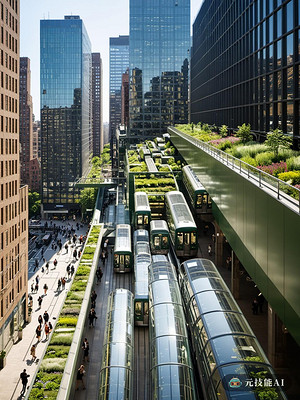
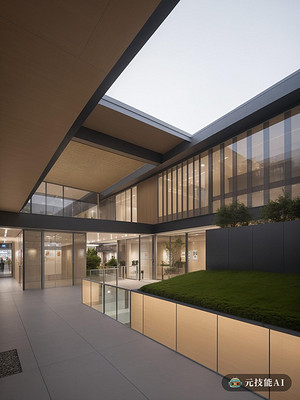
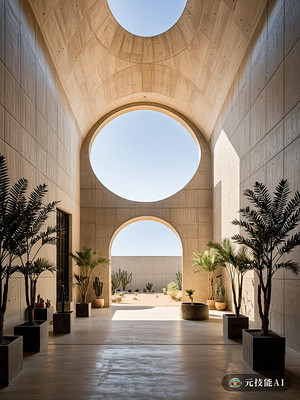
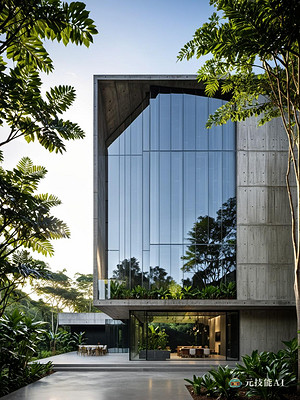
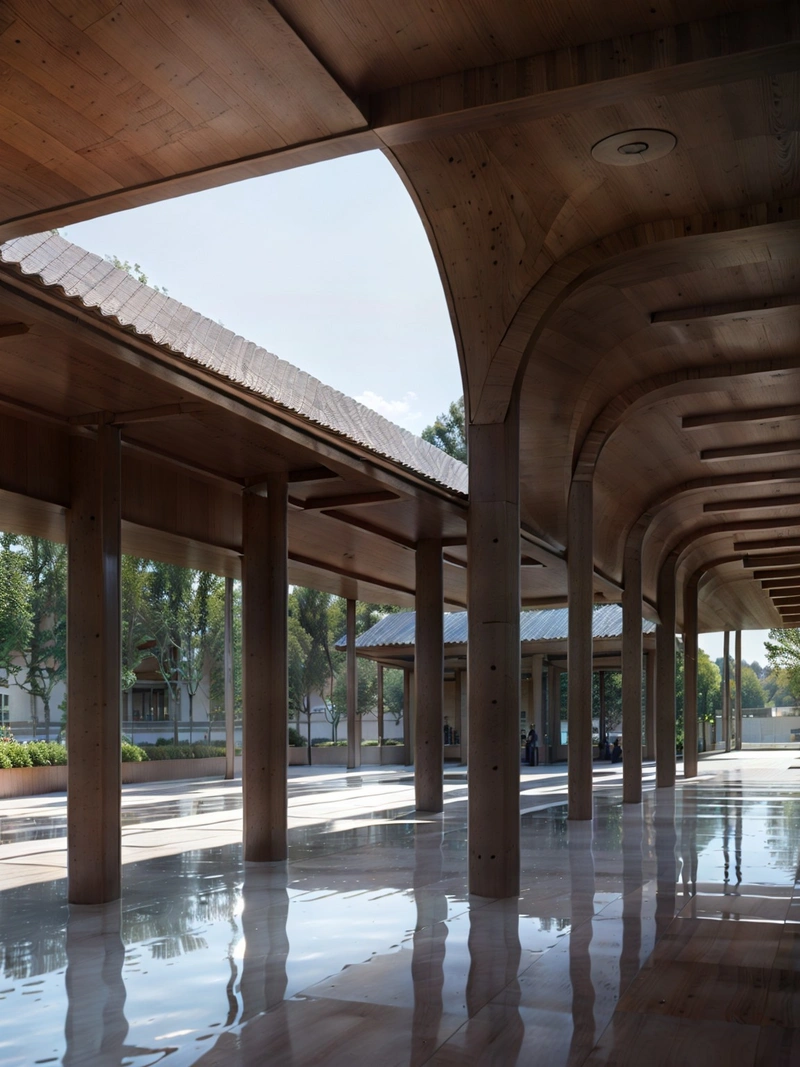
图为一个位于古村落的地铁站,它的设计融合了有机建筑和日本现代主义。该站有一个亭子风格,与村庄的传统建筑形成鲜明对比,创造了一种独特的现代美学。车站的钢结构与村庄的自然材料形成对比,强调了它的现代特征。车站是通往古老村庄的门户,以其时尚简约的设计欢迎通勤者和游客。
版权说明:本图片由 AI 程序生成,仅作设计灵感参考,不指向真实项目,转载请注明出处。
原始提示词 Prompt
古村落的地铁站在传统建筑中成为现代的灯塔。该车站的设计融合了有机建筑和日本现代主义,散发出一种独特的个性,既实用又美观。亭子式的设计与村庄的自然环境相辅相成,创造了新旧和谐的融合。车站的钢结构,圆滑而坚固,与村庄的自然材料形成对比,强调其现代特征。该站是连接古村落与现代世界的交通枢纽。它为通勤者提供了一种方便高效的交通方式,让他们可以探索村庄的美丽和历史。对于游客来说,车站就像一个欢迎垫,象征着社区的温暖和好客。古村落的地铁站不仅仅是一个交通枢纽;它是一种文化标志,代表着新旧、传统与现代的融合。它的设计尊重过去,展望未来,体现了进步和创新的精神。
英文提示词 / English Prompt
The subway station in the ancient village has become a modern lighthouse in traditional architecture. The design of this station combines organic architecture and Japanese modernism, exuding a unique personality that is both practical and aesthetically pleasing. The pavilion style design complements the natural environment of the village, creating a harmonious fusion of old and new. The steel structure of the station is smooth and sturdy, contrasting with the natural materials of the village, emphasizing its modern characteristics. This station is a transportation hub that connects ancient villages with the modern world. It provides commuters with a convenient and efficient mode of transportation, allowing them to explore the beauty and history of the village. For tourists, the station is like a welcome mat, symbolizing the warmth and hospitality of the community. The subway station in the ancient village is not just a transportation hub; It is a cultural symbol that represents the fusion of old and new, tradition, and modernity. Its design respects the past, looks forward to the future, and embodies the spirit of progress and innovation.masterpiece,best quality,high resolution,high detail,<lora:jiangda_20231214231341:0.6>
标签
标签是独立于 14 类场景的检索维度,点击可跨两类数据源查看同标签内容。