公共与市政空间
元技能大模型
新理性主义城市的兴起
内容说明
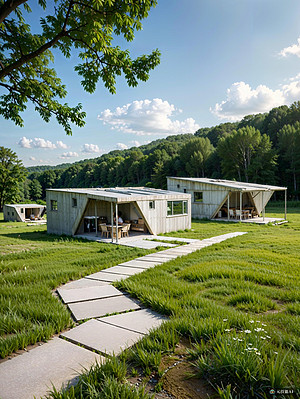
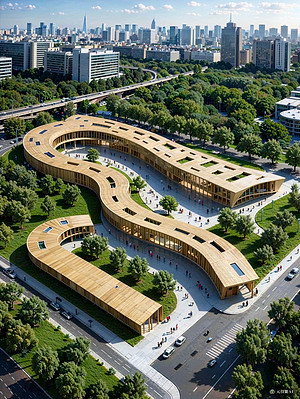
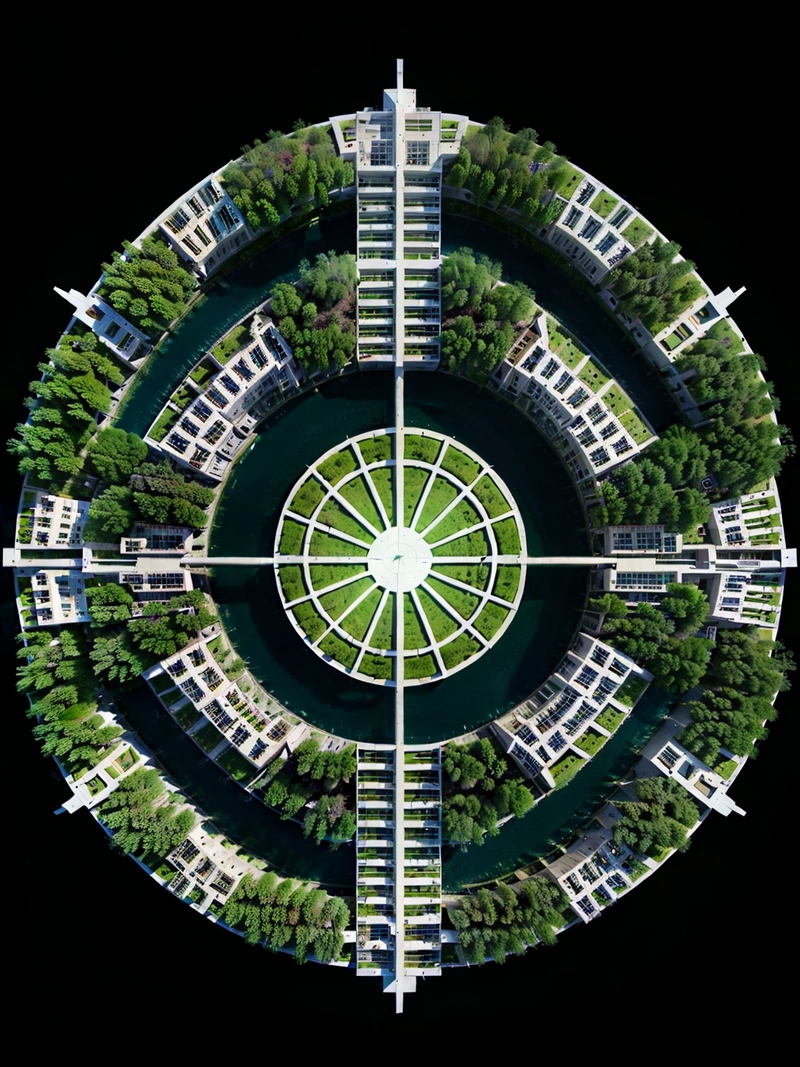
在这幅图中,一个由政府主导的现代城市与它周围的后现代主义和新理性主义结构形成鲜明对比。这座城市的野兽派建筑有着无情的角度和原始的混凝土,与新理性主义建筑的起伏形式形成鲜明对比,后者似乎以一种更有机和自然的节奏流动。
版权说明:本图片由 AI 程序生成,仅作设计灵感参考,不指向真实项目,转载请注明出处。
原始提示词 Prompt
这张照片的开头是城市鸟瞰图,中央是一个由政府主导的现代化城市。这座城市被后现代主义和新理性主义的建筑所包围,这些建筑看起来就像围绕中轴线的花朵一样从地面上生长出来。政府城市以野兽派建筑为代表,其标志性的原始混凝土和无情的角度。城市的几何形状是严格有序和合理的,反映了自上而下的城市规划方法。另一方面,后现代主义和新理性主义的结构具有起伏的形式,似乎藐视重力。这些建筑似乎在设计时考虑了更有机和自然的美学,强调了政府城市僵化的几何形状的灵活性和适应性。
英文提示词 / English Prompt
The beginning of this photo is a bird's-eye view of the city, with a modern city led by the government in the center. This city is surrounded by buildings of postmodernism and neorationalism, which look like flowers growing from the ground around the central axis. Government cities are represented by Fauvism architecture, with its iconic primitive concrete and ruthless angles. The geometric shape of a city is strictly ordered and reasonable, reflecting a top-down urban planning approach. On the other hand, the structures of postmodernism and neorationalism have undulating forms that seem to defy gravity. These buildings seem to have considered a more organic and natural aesthetic in their design, emphasizing the flexibility and adaptability of the rigid geometric shapes of government cities.masterpiece,best quality,high resolution,high detail,<lora:jiangda_20231214231341:0.6>
标签
标签是独立于 14 类场景的检索维度,点击可跨两类数据源查看同标签内容。