基础设施与交通
元技能大模型
融合古今元素的地铁站
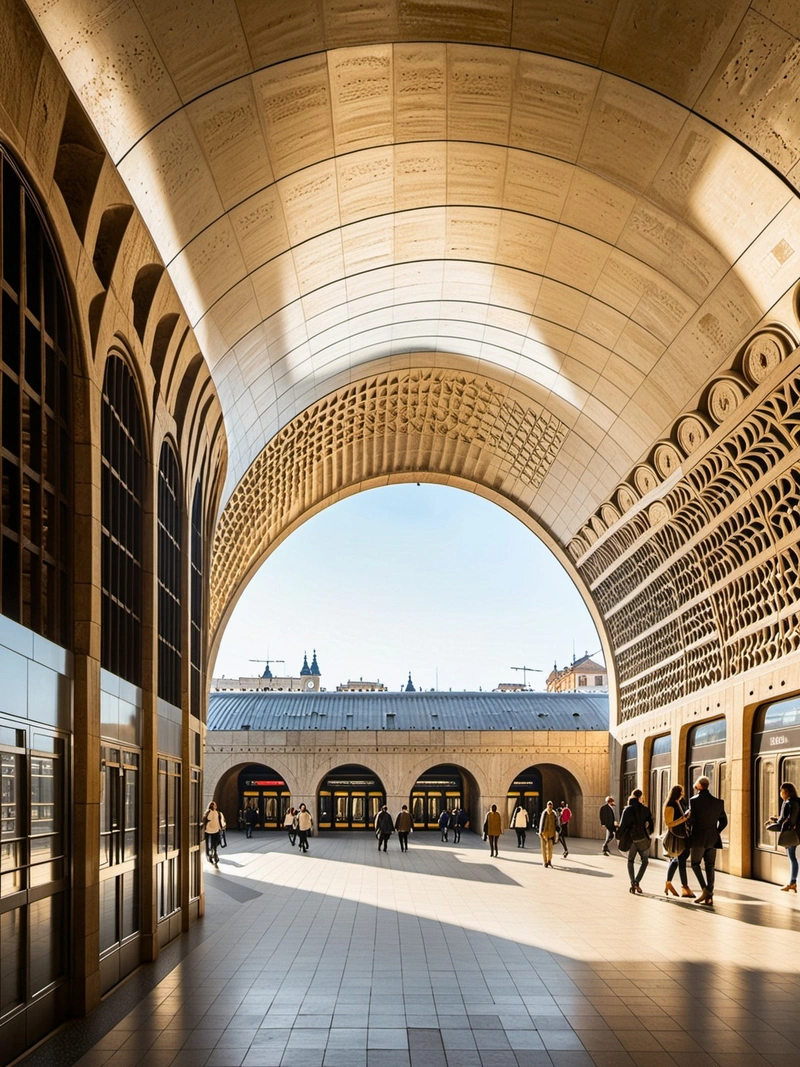
内容说明
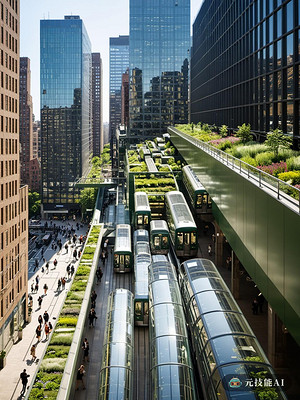
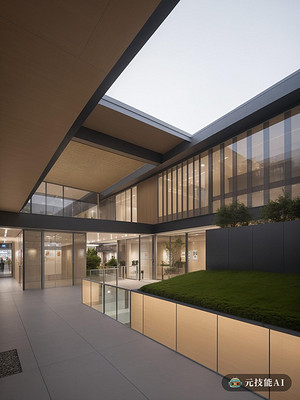
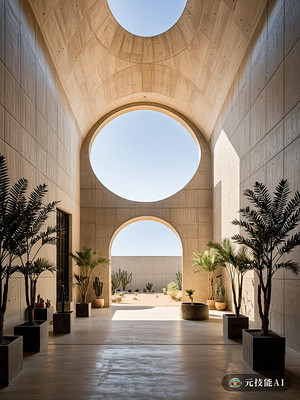
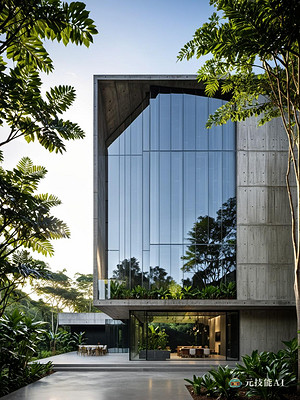
一个独特的地铁站设计,结合了古老的石窟,有机建筑,钢筋混凝土结构,象征性建筑和文艺复兴风格。
版权说明:本图片由 AI 程序生成,仅作设计灵感参考,不指向真实项目,转载请注明出处。
原始提示词 Prompt
地铁站是一个充满活力的城市活动中心,是古代与现代设计元素和谐融合的证明。在其核心,车站体现了有机建筑的本质,其钢筋混凝土结构类似于自然形式和流动。这不仅仅是一个功利主义的结构;它证明了钢筋混凝土作为一种可以模仿大自然的优雅和优雅的材料的美丽。在车站内部,古老的石窟无缝地融合在一起,向该地区丰富的文化遗产致敬。这些石窟,有着复杂的雕刻和历史意义,通过使用现代材料和技术,创造了过去和现在之间的对话,赋予了生命。车站的建筑设计进一步加强了向文艺复兴时期致敬的象征性元素。这些元素,从装饰图案到建筑特色,都是精心制作的,唤起怀旧和宏伟的感觉,同时也补充了车站的现代美学。总的来说,地铁站是建筑如何弥合传统与现代之间差距的一个主要例子。它不仅是一个交通枢纽,也是一个文化中心,吸引路人欣赏古代和现代设计的美丽和深度。
英文提示词 / English Prompt
The subway station is a vibrant urban activity center, proving the harmonious integration of ancient and modern design elements. At its core, the station embodies the essence of organic architecture, with its reinforced concrete structure resembling natural form and flow. This is not just a utilitarian structure; It proves the beauty of reinforced concrete as a material that can mimic the elegance and elegance of nature. Inside the station, ancient grottoes seamlessly blend together, paying tribute to the rich cultural heritage of the region. These grottoes have complex carvings and historical significance, creating a dialogue between the past and present through the use of modern materials and technology, and endowing them with life. The architectural design of the station further strengthens the symbolic elements that pay tribute to the Renaissance period. These elements, from decorative patterns to architectural features, are carefully crafted to evoke a sense of nostalgia and grandeur, while also supplementing the modern aesthetics of the station. Overall, subway stations are a major example of how architecture bridges the gap between tradition and modernity. It is not only a transportation hub, but also a cultural center that attracts passersby to appreciate the beauty and depth of ancient and modern design.
标签
标签是独立于 14 类场景的检索维度,点击可跨两类数据源查看同标签内容。