基础设施与交通
元技能大模型
融合过去与未来:一个可持续的交通枢纽
内容说明
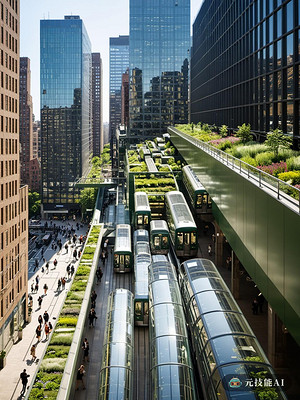
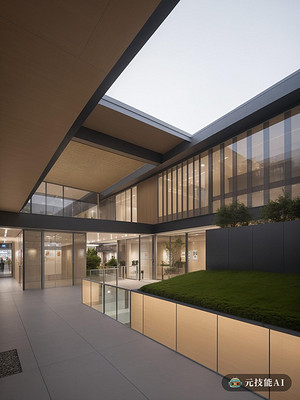
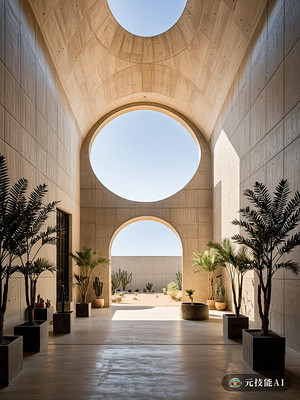
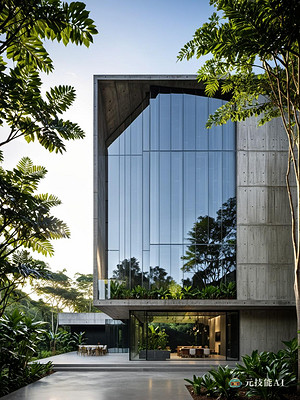
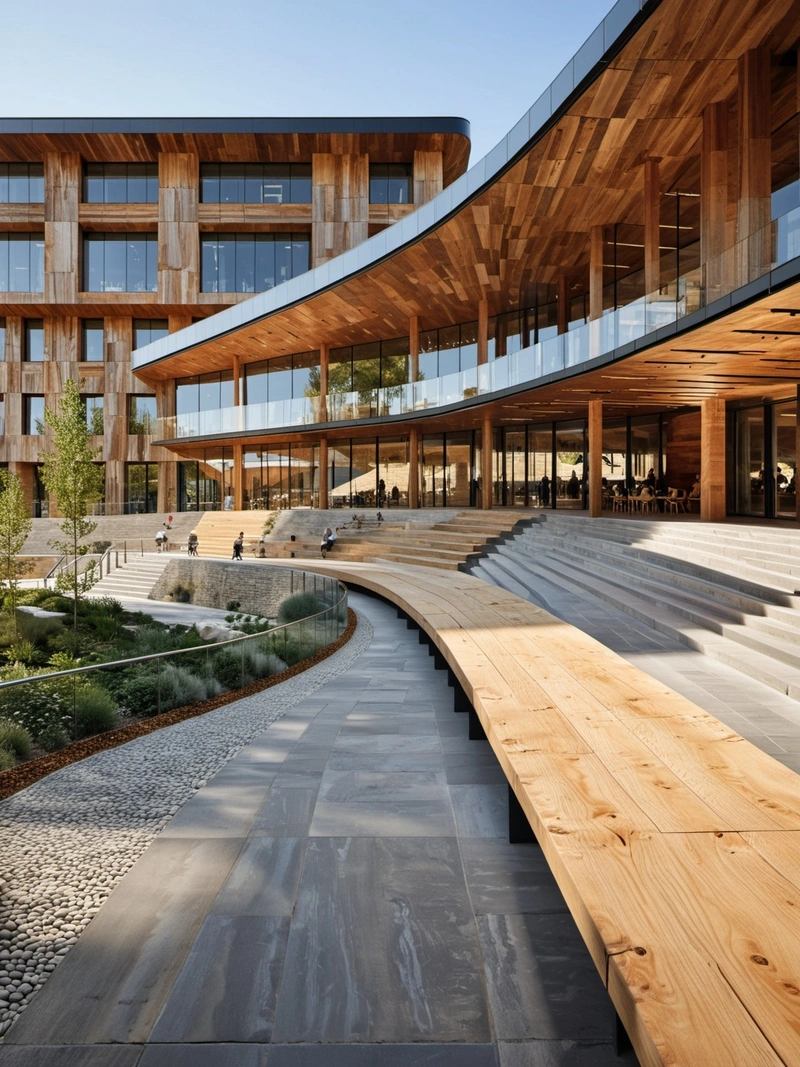
该设计将历史元素与当代极简主义相结合,创造了一个尊重其古老环境的交通枢纽。
版权说明:本图片由 AI 程序生成,仅作设计灵感参考,不指向真实项目,转载请注明出处。
原始提示词 Prompt
释放想象力的力量,我们设想一个将古代石窟与现代玻璃和钢铁极简主义无缝结合的交通枢纽。该设计提出了一个梯田布局,与周围景观的轮廓相呼应,同时也参考了文艺复兴时期的建筑,其优雅而实用的形式。中心特征是一条木制复合木板路,它优雅地流经中心,连接新旧建筑。这条木板路由可持续木材复合材料制成,向该地区的自然资源致敬,同时也提供了一条舒适的步行通道。玻璃和钢结构,以其圆滑的线条和简约的设计,站在古代石窟的守护者,保护他们免受元素的影响,同时允许自然光线透过,突出历史特征。其结果是一个交通枢纽,不仅是通往过去的门户,也是可持续设计和前瞻性城市规划的象征。
英文提示词 / English Prompt
Unleashing the power of imagination, we envision a transportation hub that seamlessly combines ancient grottoes with modern minimalism of glass and steel. The design proposes a terraced layout that echoes the contours of the surrounding landscape, while also referencing the elegant and practical form of Renaissance architecture. The central feature is a wooden composite plank road that elegantly flows through the center, connecting new and old buildings. This wooden board is made of sustainable wood composite materials, paying tribute to the natural resources of the region while also providing a comfortable walking path. Glass and steel structures, with their smooth lines and minimalist design, stand as guardians of ancient grottoes, protecting them from the influence of elements while allowing natural light to penetrate, highlighting historical features. The result is a transportation hub, not only a gateway to the past, but also a symbol of sustainable design and forward-looking urban planning.
标签
标签是独立于 14 类场景的检索维度,点击可跨两类数据源查看同标签内容。