基础设施与交通
元技能大模型
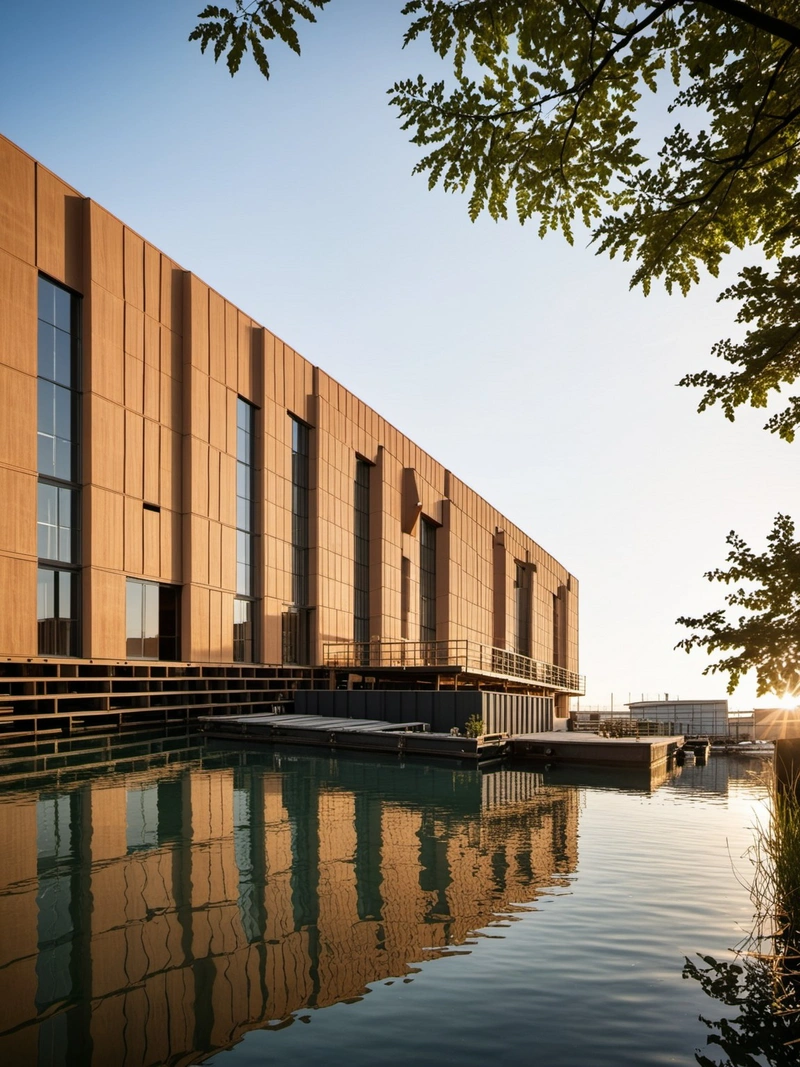
水上仓库——现代设计与陶土的融合
内容说明
这一设计理念体现了当代建筑的精髓与传统陶器技术的融合,创造了一个独特而创新的水上仓库。
版权说明:本图片由 AI 程序生成,仅作设计灵感参考,不指向真实项目,转载请注明出处。
原始提示词 Prompt
设想一个宁静漂浮在水面上的仓库,将现代建筑的工业力量与陶土的有机温暖融合在一起。这个名为“水生仓库”的设计证明了创意表达的无限可能性。该结构类似于现代主义的杰作,优雅地漂浮着,它的形式是直线和几何形状的和谐融合。外部包裹着分层设计的陶土,每一层都是手工制作的,以反映材料的自然美和质感。这种粘土覆盖物不仅增加了美学价值,而且还作为保护屏障,为结构提供了耐久性和弹性。在内部,仓库的设计是为了容纳一系列的功能,从存储到展览空间,所有的设计都注重细节和审美。家具也是日本现代主义的证明,融合了传统形式和当代功能。其结果是一个既实用又美观的空间,一个漂浮在水面上的仓库,是创新和创造力的象征。
英文提示词 / English Prompt
Imagine a peaceful warehouse floating on the water, blending the industrial power of modern architecture with the organic warmth of clay. This design called "Aquatic Warehouse" demonstrates the infinite possibilities of creative expression. This structure is similar to a masterpiece of modernism, gracefully floating, and its form is a harmonious fusion of straight lines and geometric shapes. The exterior is wrapped with layered design of clay, each layer is handmade to reflect the natural beauty and texture of the material. This clay covering not only adds aesthetic value, but also serves as a protective barrier, providing durability and elasticity for the structure. Internally, the design of the warehouse is aimed at accommodating a range of functions, from storage to exhibition space, all with a focus on details and aesthetics. Furniture is also a proof of Japanese modernism, integrating traditional forms and contemporary functions. The result is a practical and beautiful space, a floating warehouse on the water surface, which is a symbol of innovation and creativity.
标签
标签是独立于 14 类场景的检索维度,点击可跨两类数据源查看同标签内容。