商业与零售
元技能大模型
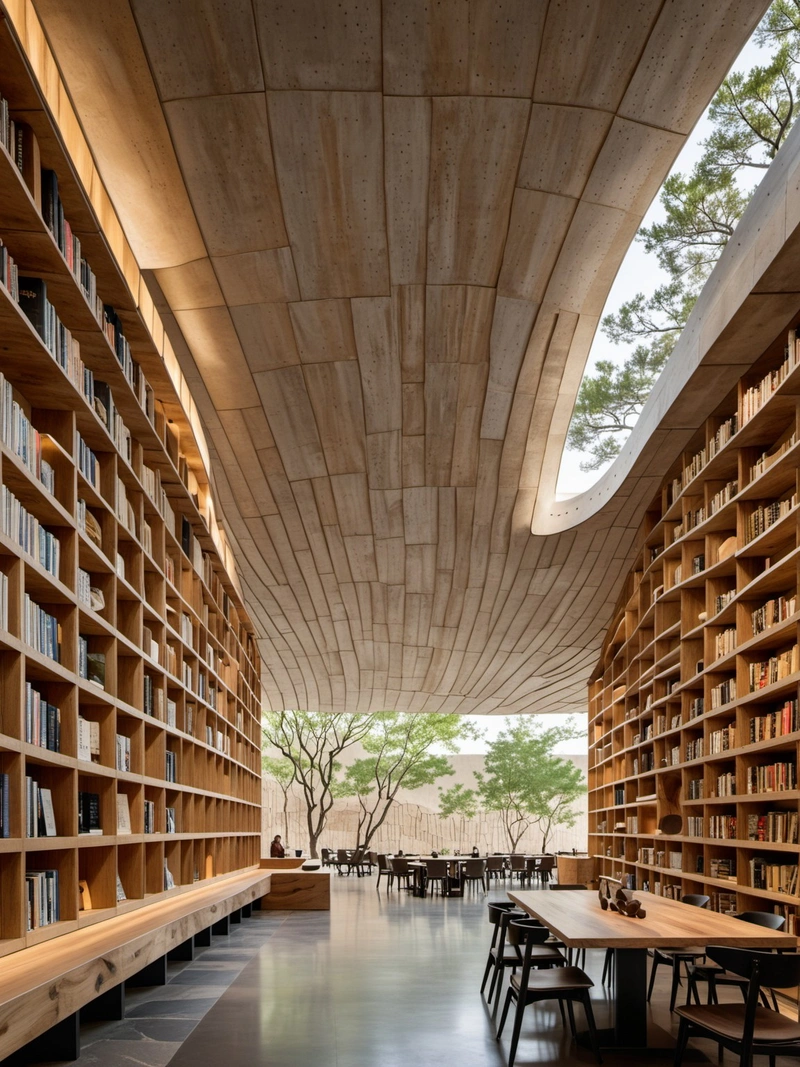
融合设计:古代石窟与现代建筑的融合书店
内容说明
一个书店的设计概念,将古代石窟之美与现代建筑元素和谐地融合在一起。
版权说明:本图片由 AI 程序生成,仅作设计灵感参考,不指向真实项目,转载请注明出处。
原始提示词 Prompt
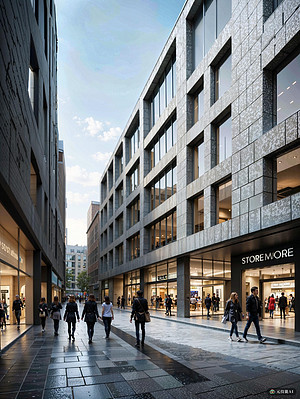
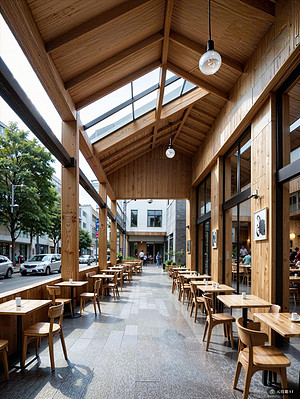
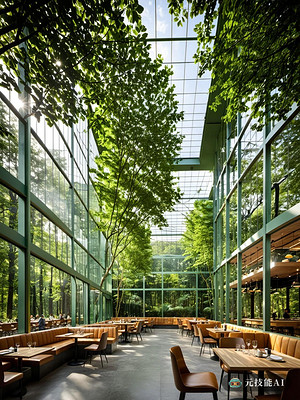
作为一个过去和现在的交响乐,我们的书店设计体现了古代石窟,家具和现代建筑的精髓。钢木结构,向传统的日本建筑致敬,提供了一个坚固而温暖的框架,与古老石窟的耐久性和自然优雅相呼应。网格结构是现代设计的标志,用于创造动态的室内空间,优化了功能和美学。家具受到石窟的曲线和纹理的影响,提供了一个舒适而现代的座位区,邀请顾客流连并沉浸在书籍的世界中。书店的外观由钢和木材混合而成,向自然世界致敬,同时也是现代工程的证明。在内部,网格结构创建了动态布局,允许灵活的显示区域和活动空间。该设计是融合力量的证明,古老的智慧和现代的创新融合成一个美丽,功能和永恒的空间。
英文提示词 / English Prompt
As a symphony of the past and present, our bookstore design embodies the essence of ancient grottoes, furniture, and modern architecture. The steel and wood structure pays tribute to traditional Japanese architecture, providing a sturdy and warm framework that echoes the durability and natural elegance of ancient grottoes. Grid structure is a hallmark of modern design, used to create dynamic indoor spaces that optimize functionality and aesthetics. The furniture is influenced by the curves and textures of the grottoes, providing a comfortable and modern seating area, inviting customers to linger and immerse themselves in the world of books. The appearance of the bookstore is made of a mixture of steel and wood, paying tribute to the natural world and also proving modern engineering. Internally, the grid structure creates a dynamic layout that allows for flexible display of areas and activity spaces. This design is a testament to the fusion of ancient wisdom and modern innovation into a beautiful, functional, and timeless space.
标签
标签是独立于 14 类场景的检索维度,点击可跨两类数据源查看同标签内容。