公共与市政空间
元技能大模型
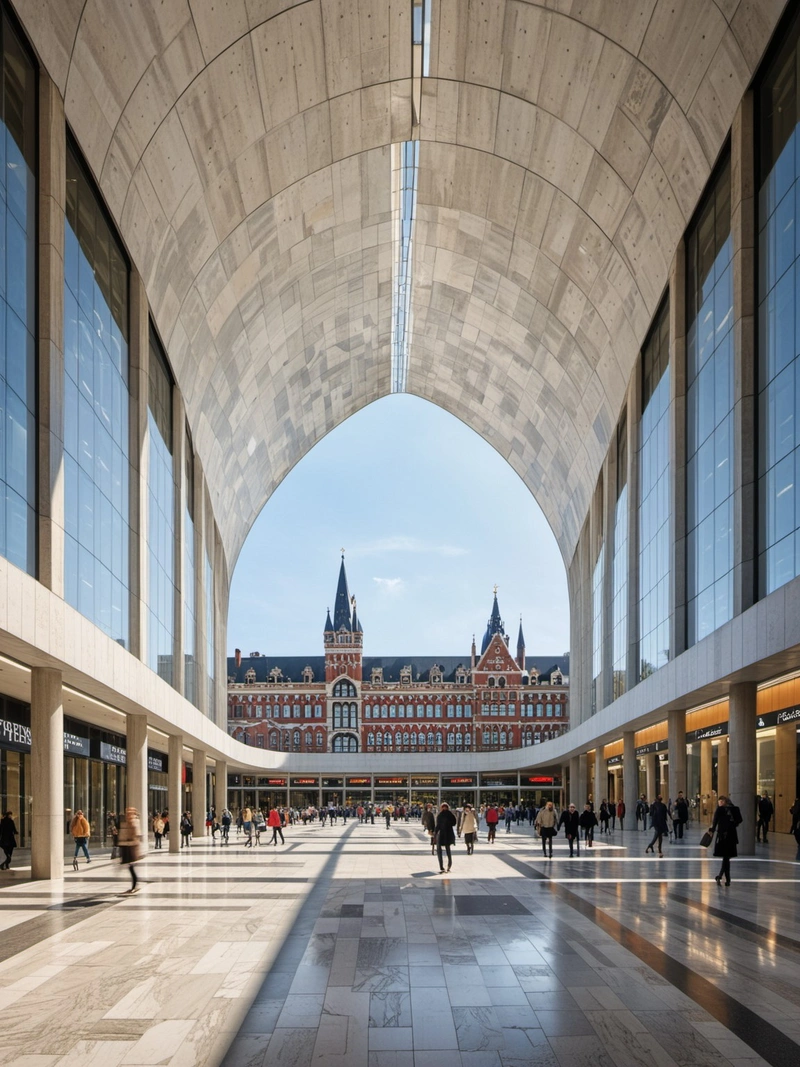
繁华城市中交通枢纽的设计
内容说明
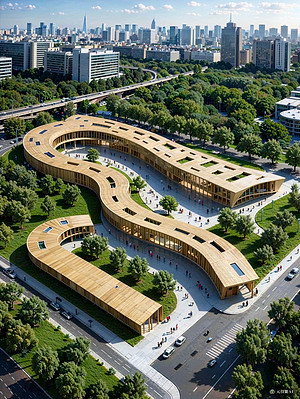
在繁忙的城市环境中融合了中世纪和现代的设计。
版权说明:本图片由 AI 程序生成,仅作设计灵感参考,不指向真实项目,转载请注明出处。
原始提示词 Prompt
设想在一个繁华的城市的心脏地带,交通枢纽是中世纪和当代设计无缝融合的证明。混凝土,一种与现代性同义的材料,构成了整个结构,体现了当今建筑的极简主义情感。在这幅当代油画中嵌入了中世纪的宏伟,体现在复杂的大理石元素中,与城市丰富的历史织物相呼应。交通枢纽采用分段结构的形式,每个分段专用于不同的运输方式。这种分段设计不仅增强了空间的功能性,而且增加了视觉趣味,用动态的形式打破了单一的混凝土立面。室内设计延续了极简主义的主题,简洁的线条和充足的自然光通过玻璃面板过滤。这种设计确保了重点仍然是用户和他们的旅程,而不是过度华丽的内部干扰。交通枢纽不仅仅是一个结构,而且是城市前瞻性设计方法的象征,它尊重过去,同时热切地拥抱未来。
英文提示词 / English Prompt
Imagine a transportation hub in the heart of a bustling city as proof of seamless integration between medieval and contemporary design. Concrete, a material synonymous with modernity, constitutes the entire structure and embodies the minimalist sentiment of today's architecture. The grandeur of the Middle Ages is embedded in this contemporary oil painting, reflected in complex marble elements, echoing the rich historical fabric of the city. The transportation hub adopts a segmented structure, with each segment dedicated to different modes of transportation. This segmented design not only enhances the functionality of the space, but also adds visual interest, breaking the single concrete facade with a dynamic form. The interior design continues the minimalist theme, with simple lines and ample natural light filtered through glass panels. This design ensures that the focus remains on the user and their journey, rather than excessive internal interference. A transportation hub is not only a structure, but also a symbol of forward-looking urban design methods, respecting the past while eagerly embracing the future.
标签
标签是独立于 14 类场景的检索维度,点击可跨两类数据源查看同标签内容。