公共与市政空间
元技能大模型
高原上的公园建筑:有机包豪斯的融合
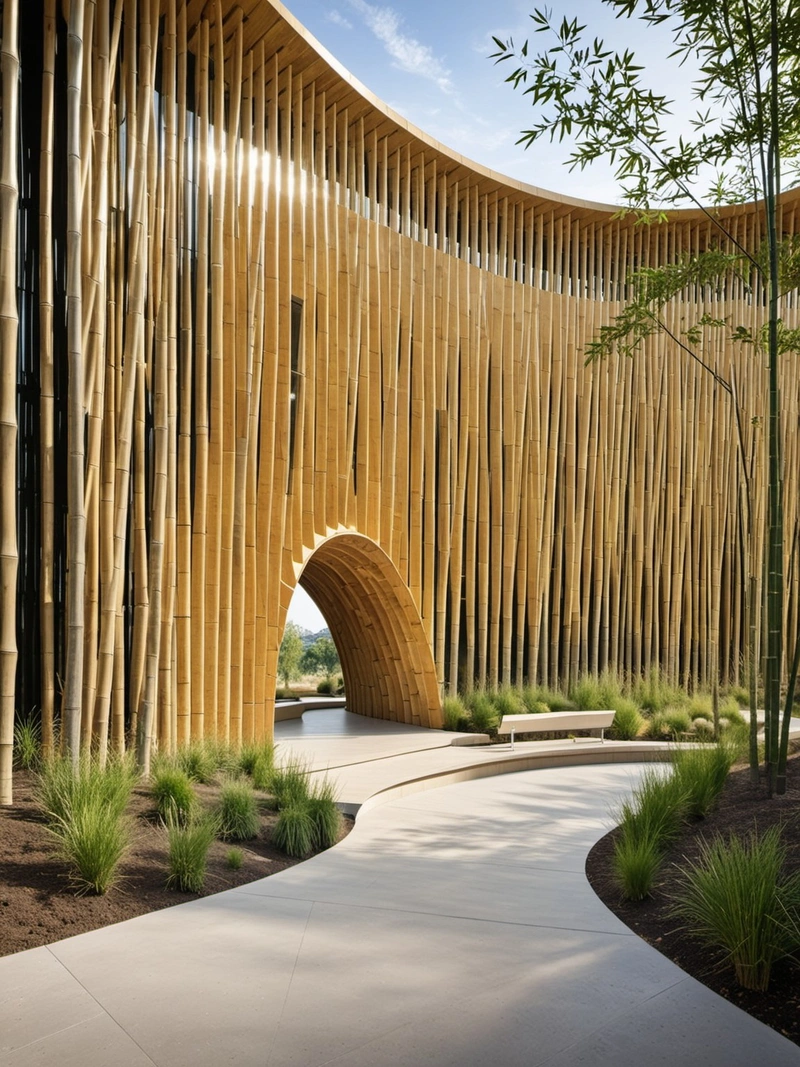
内容说明
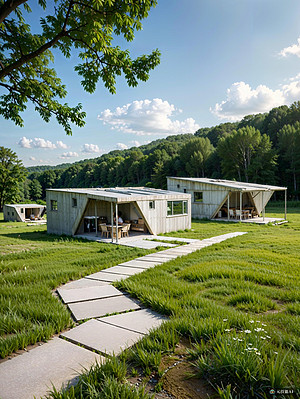
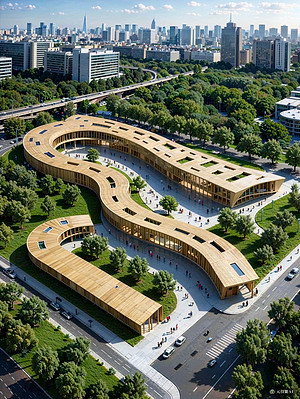
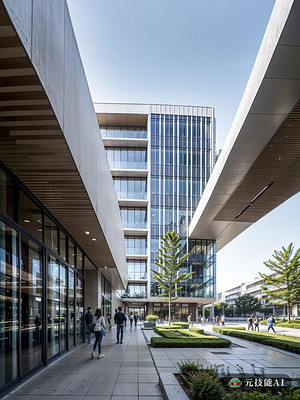
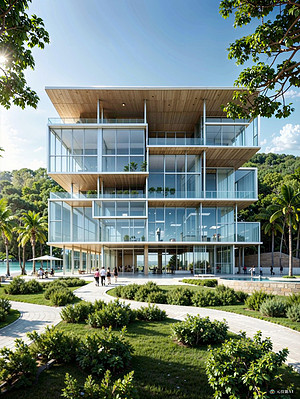
高原公共建筑的独特设计理念,将有机形式与包豪斯原则相结合,并利用竹子作为可持续材料。
版权说明:本图片由 AI 程序生成,仅作设计灵感参考,不指向真实项目,转载请注明出处。
原始提示词 Prompt
作为高原上的一缕新鲜空气,这个公共建筑的设计旨在与自然环境和谐融合。从周围起伏的地形中汲取灵感,公园呈现出一种有机的品质,与土地的自然轮廓相呼应。竹子是一种可持续和可再生的材料,它的使用是设计中不可或缺的一部分,不仅因为它的生态效益,而且因为它的美学吸引力。竹子元素被用于结构和装饰的角色,创造了一个视觉上吸引人的环保空间。包豪斯的影响在简洁的线条和几何形状中是显而易见的,它们补充了有机形式,创造了一个动态的、视觉上引人注目的设计。其结果是一个公园,不仅是社区的娱乐空间,而且是可持续设计的可能性和人类创造与自然融合之美的证明。
英文提示词 / English Prompt
As a ray of fresh air on the plateau, the design of this public building aims to harmoniously integrate with the natural environment. Drawing inspiration from the undulating terrain around, the park presents an organic quality that echoes the natural contours of the land. Bamboo is a sustainable and renewable material, and its use is an indispensable part of design, not only because of its ecological benefits, but also because of its aesthetic appeal. The use of bamboo elements in structural and decorative roles creates a visually appealing and environmentally friendly space. The influence of Bauhaus is evident in its concise lines and geometric shapes, which complement organic forms and create a dynamic, visually striking design. The result is a park that is not only a community entertainment space, but also proof of the possibility of sustainable design and the beauty of human creation and natural integration.
标签
标签是独立于 14 类场景的检索维度,点击可跨两类数据源查看同标签内容。