商业与零售
元技能大模型
未来书店:中世纪与高科技设计的可持续融合
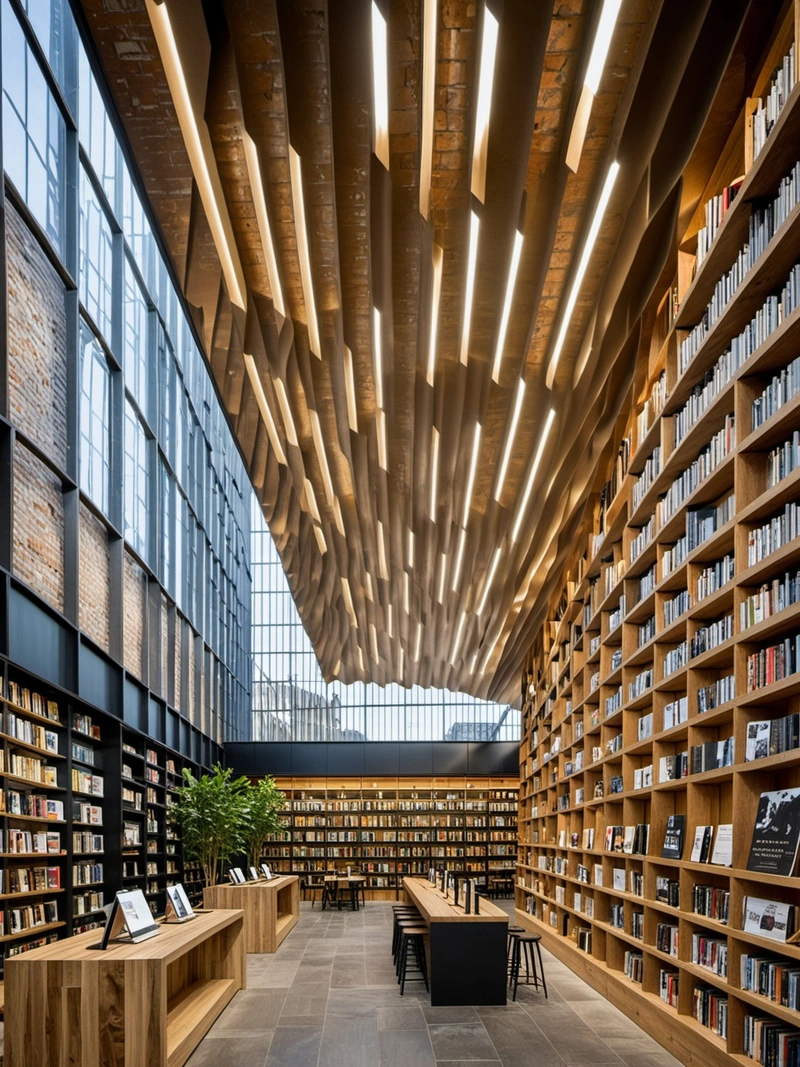
内容说明
一个将中世纪建筑与高科技元素融合在一起的书店的愿景,创造了一个可持续的和未来的阅读天堂。
版权说明:本图片由 AI 程序生成,仅作设计灵感参考,不指向真实项目,转载请注明出处。
原始提示词 Prompt
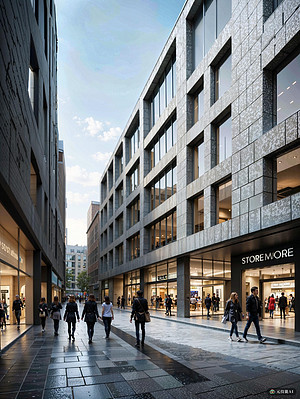
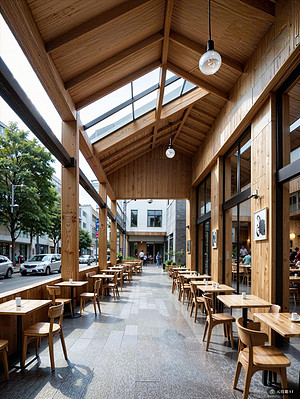
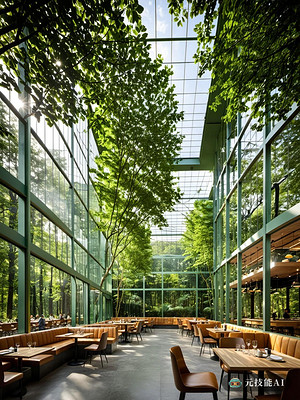
未来城市书店的设计将中世纪建筑的精髓浓缩在高科技和可持续的框架内。立面由铝塑板组成,波浪形的设计,唤起现代的未来感,与传统的中世纪美学形成对比。这些面板不仅提供了独特的美学,而且有助于建筑的环保,可回收和节能。书店内部是新旧交错的迷宫,木梁和裸露的砖墙营造出一种舒适的中世纪氛围。然而,数字显示器和互动阅读站将空间带入了21世纪,允许模拟和数字阅读体验的无缝融合。自然光线通过天窗照射进来,确保了明亮和温馨的环境,而水景和绿色植物增加了宁静和可持续性的感觉。未来城市的书店不仅仅是一个买书的地方;这是一种将过去的美好与未来的希望融合在一起的体验,创造了一个读者可以在书本中迷失自我的目的地,同时也拥抱了现代技术的便利。
英文提示词 / English Prompt
The design of future urban bookstores will condense the essence of medieval architecture into a high-tech and sustainable framework. The facade is composed of aluminum-plastic panels, with a wavy design that evokes a modern sense of the future and contrasts with traditional medieval aesthetics. These panels not only provide a unique aesthetic, but also contribute to the building's environmental protection, recyclability, and energy efficiency. The interior of the bookstore is a maze of old and new elements, with wooden beams and exposed brick walls creating a comfortable medieval atmosphere. However, digital displays and interactive reading stations have brought space into the 21st century, allowing for seamless integration of analog and digital reading experiences. Natural light shines through the skylight, ensuring a bright and cozy environment, while water features and green plants add a sense of tranquility and sustainability. Bookstores in future cities are not just places to buy books; This is an experience that blends the beauty of the past with the hope of the future, creating a destination where readers can lose themselves in books, while also embracing the convenience of modern technology.
标签
标签是独立于 14 类场景的检索维度,点击可跨两类数据源查看同标签内容。