基础设施与交通
元技能大模型
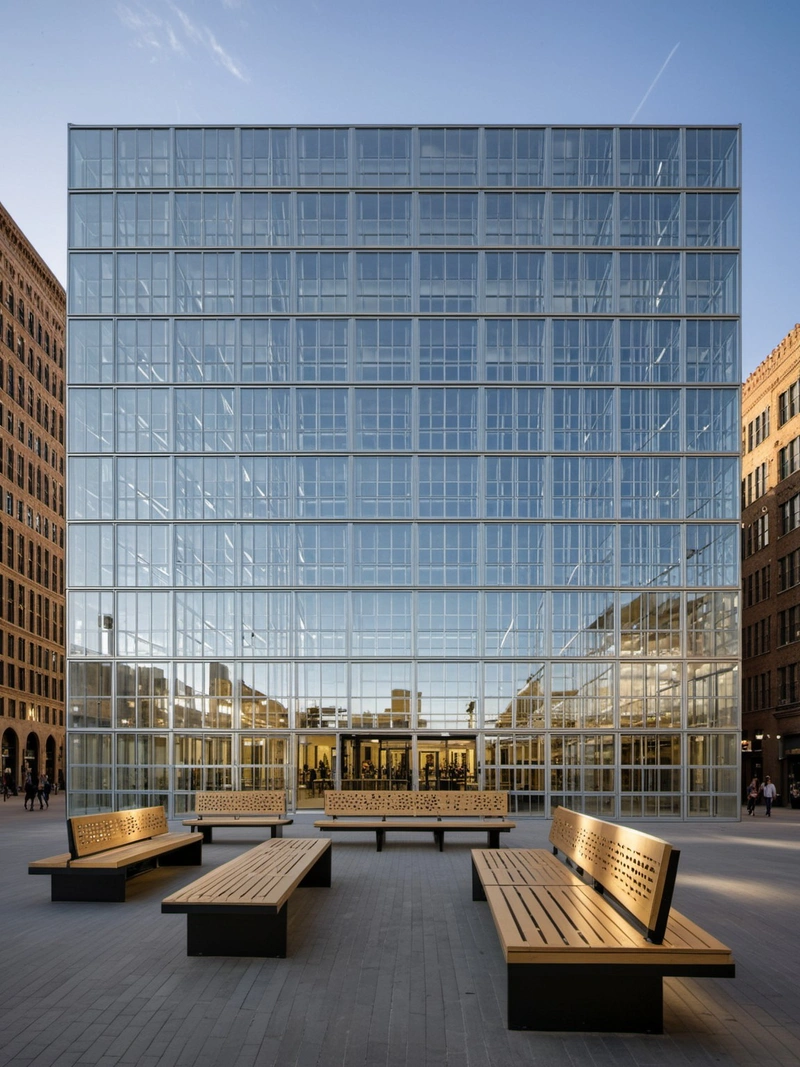
艺术区的现代交通枢纽
内容说明
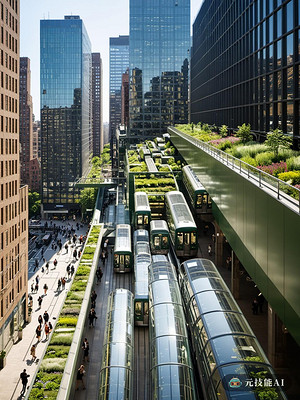
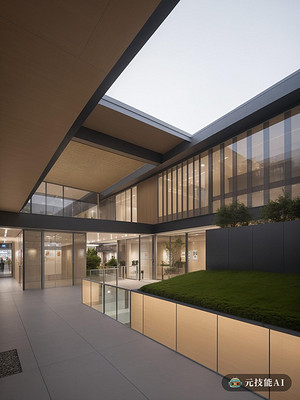
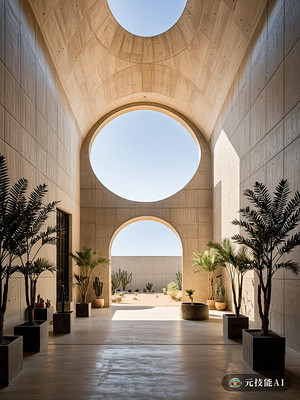
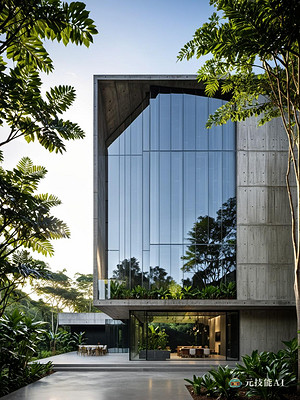
未来交通的愿景与艺术和现代建筑交织在一起,这一设计理念体现了现代主义的精髓。
版权说明:本图片由 AI 程序生成,仅作设计灵感参考,不指向真实项目,转载请注明出处。
原始提示词 Prompt
作为艺术区内的交通枢纽,该设计将现代建筑的功能与当代艺术的美学相结合。设计的核心是一个网格结构,一个支撑整个综合体的框架,同时也作为一个艺术元素。这个网格由铝塑板组成,这种材料的选择是因为它的耐用性、轻便性和对不同形状和形式的适应性。面板以创造动态模式的方式排列,反映了交通枢纽及其所居住的艺术区的活力。空间内的家具与建筑相辅相成,与铝塑板和网格结构无缝融合。长椅、灯和标牌都是用相同的材料制作的,确保了一个有凝聚力的视觉体验。家具不仅满足其实用目的,还增强了空间的美感,使其成为交通和艺术欣赏的目的地。这个设计体现了现代主义的原则,简洁的线条,开放的空间,注重功能。它证明了一种信念,即交通工具不仅可以作为达到目的的手段,而且可以作为艺术表达和文化交流的媒介。
英文提示词 / English Prompt
As a transportation hub within the art district, this design combines the functions of modern architecture with the aesthetics of contemporary art. The core of design is a grid structure, a framework that supports the entire complex, and also serves as an artistic element. This grid is composed of aluminum-plastic panels, and the choice of this material is due to its durability, lightness, and adaptability to different shapes and forms. The panels are arranged in a way that creates dynamic patterns, reflecting the vitality of transportation hubs and the art areas they reside in. The furniture and architecture in the space complement each other, seamlessly integrating with aluminum-plastic panels and grid structures. The benches, lights, and signs are all made of the same material, ensuring a cohesive visual experience. Furniture not only meets its practical purpose, but also enhances the beauty of space, making it a destination for transportation and artistic appreciation. This design embodies the principles of modernism, with concise lines, open spaces, and a focus on functionality. It proves a belief that transportation can not only serve as a means to achieve goals, but also as a medium for artistic expression and cultural exchange.
标签
标签是独立于 14 类场景的检索维度,点击可跨两类数据源查看同标签内容。