基础设施与交通
元技能大模型
融合过去与未来:可持续的交通枢纽
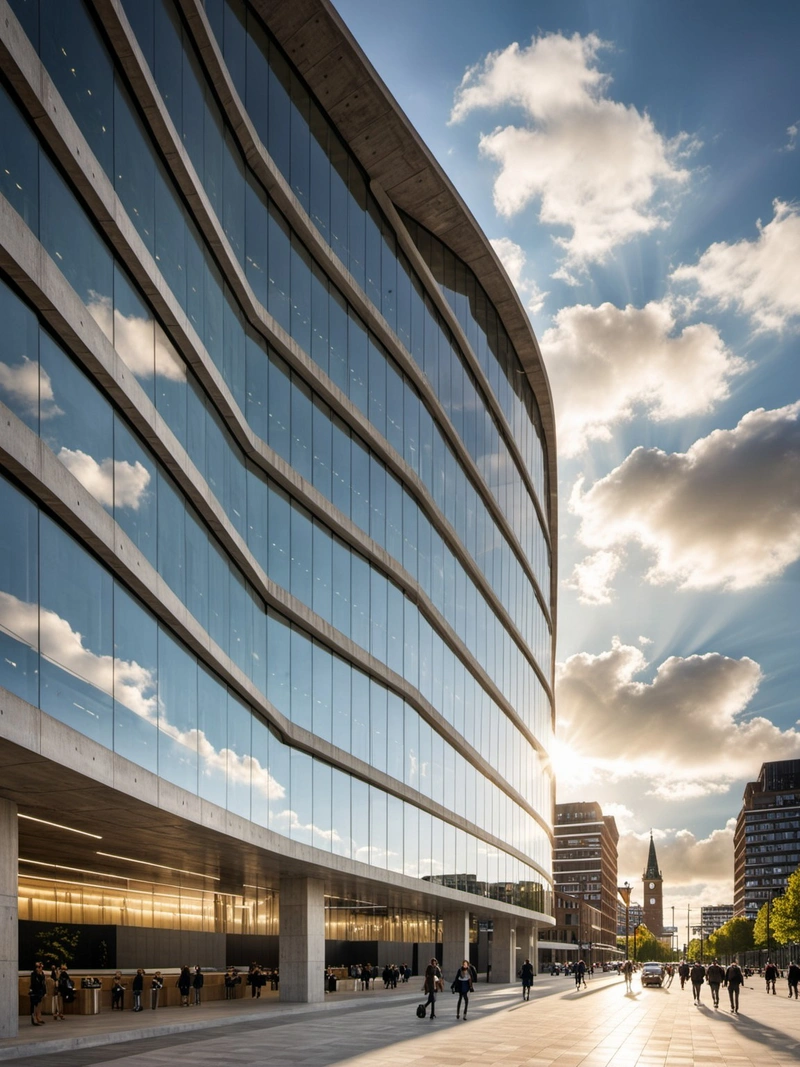
内容说明
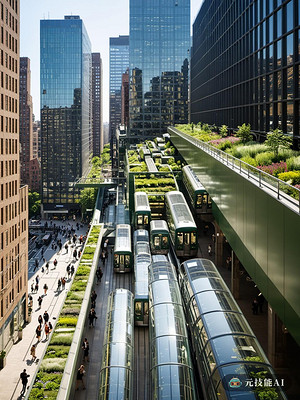
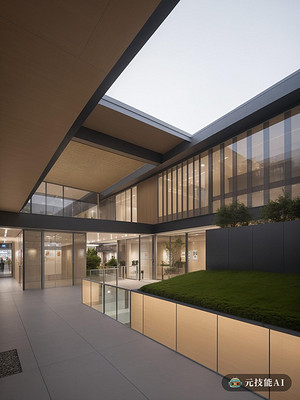
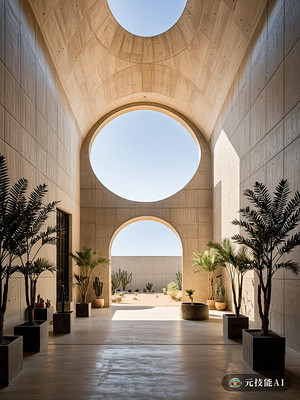
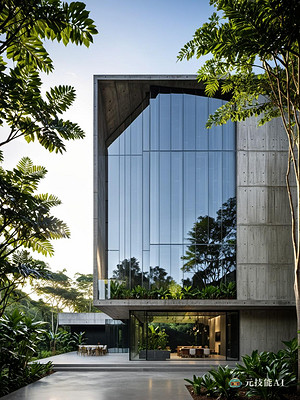
一个融合了历史魅力和尖端技术的交通枢纽的愿景,体现了功能主义和可持续性的原则。
版权说明:本图片由 AI 程序生成,仅作设计灵感参考,不指向真实项目,转载请注明出处。
原始提示词 Prompt
交通历史街区是一个有远见的设计,模糊了过去和未来之间的界限。混凝土板,向工业时代的坚固致敬,为这个最先进的交通枢纽提供了坚实的基础。在它之上,一个半透明的结构高耸入云,让自然光渗透进来,创造一个动态的、不断变化的环境。这个设计体现了功能主义的原则,每个元素都有自己的目的,同时保持美学的和谐。高科技功能无缝集成,确保人员和车辆的高效流动,同时最大限度地减少对环境的影响。其结果是一个交通枢纽,不仅是通往城市的门户,也是历史和现代设计融合的活证明。
英文提示词 / English Prompt
The transportation historical block is a visionary design that blurs the boundary between the past and the future. Concrete slabs pay tribute to the solidity of the industrial era and provide a solid foundation for this most advanced transportation hub. Above it, a semi transparent structure rises into the clouds, allowing natural light to penetrate and creating a dynamic and constantly changing environment. This design embodies the principles of functionalism, where each element has its own purpose while maintaining aesthetic harmony. Seamless integration of high-tech functions ensures efficient flow of personnel and vehicles while minimizing environmental impact. The result is a transportation hub, not only a gateway to the city, but also a living proof of the integration of history and modern design.
标签
标签是独立于 14 类场景的检索维度,点击可跨两类数据源查看同标签内容。